
Dolly Didn’t Wait

This is one of my favorite leadership quotes. It’s from Deep Change: Discovering the Leader Within, by Robert Quinn.
“…to survive, organizations need leaders who take risks and who care enough to die for the organization. Most organizations have few such people. When these leaders emerge, they usually have a vision, and their behavior reflects a transformational paradigm. They are self-authorizing and often follow unconventional methods that are based on moral principles rather than organizational pressures.” (Bold mine)
Most leaders are the opposite. They spend a surprising amount of time waiting to be authorized—by the boss or the board, the organization or the experts, sometimes even just the people around them. They may call it consensus or prudence. It may be stalling or indecision. Usually, it is waiting for protection.
A self-authorizing leader is not arrogant or unwilling to listen. They seek advice, collaborate, and search out people who know more than they do. But eventually, someone has to decide, and they know who it is. They do not surrender responsibility simply because a decision may be unpopular or unsupported.
Their authority does not come from a title, an org chart, or waiting for the green light. It comes from knowing who they are, what they believe, and what they stand for.
authority does not come from a title, an org chart, or waiting for the green light. It comes from knowing who We are, what We believe, and what We stand for.
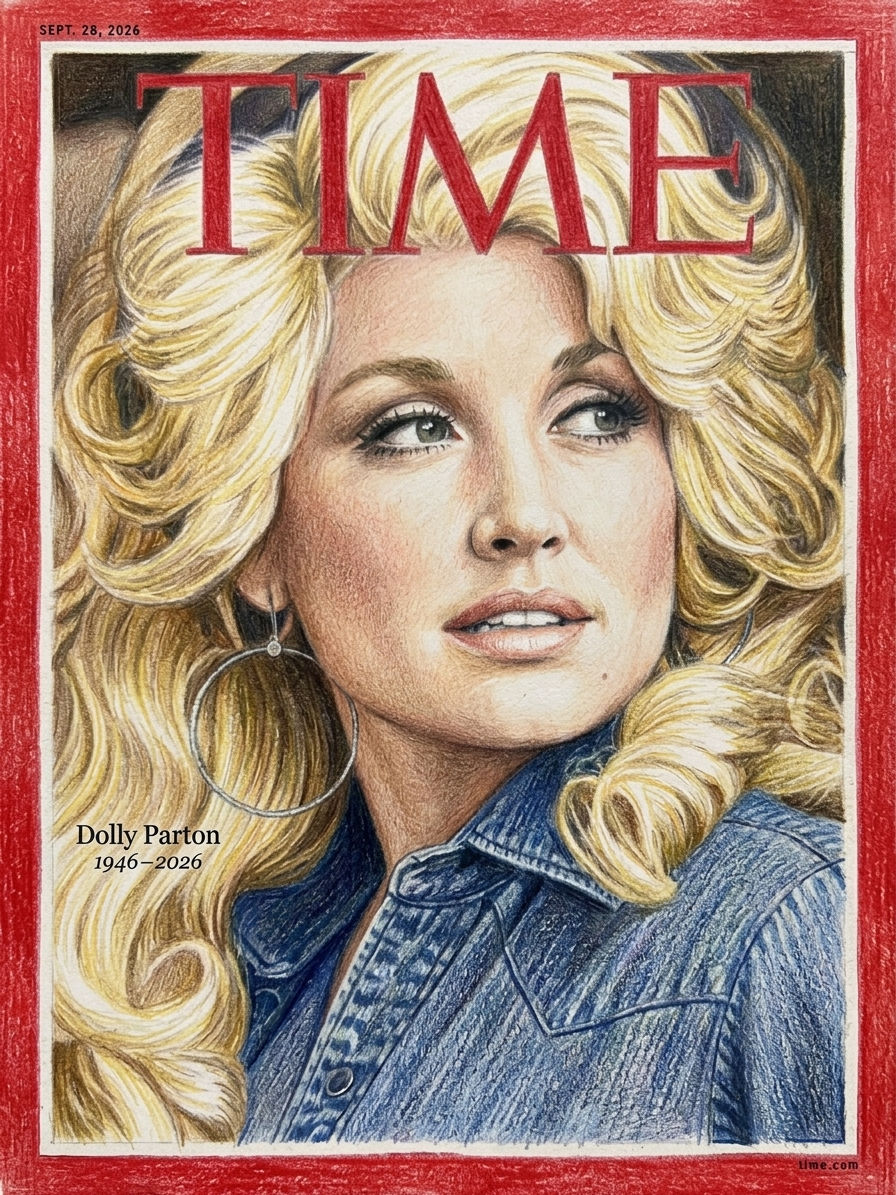
Dolly Parton is not usually included in discussions of transformational leadership. Perhaps she should be. Her career is full of moments when she could have allowed someone else to define her future, but she never did.
Her years on The Porter Wagoner Show gave her national exposure and helped establish her career. But eventually, she wanted to pursue her own path. Leaving was complicated, and Wagoner later sued her over their business arrangements. She left anyway. And in a gesture that captured the complexity of the moment, she wrote “I Will Always Love You” as a farewell to Wagoner (a song that she took to #1 twice and that Whitney Houston later turned into one of the biggest hits in history.) Then Elvis Presley wanted to record “I Will Always Love You” but wanted half of the publishing rights.
She said no.
She wasn't rejecting Elvis or the music business. She was being offered an extraordinary opportunity, and someone more powerful than she was had effectively said, This is the deal.
Dolly decided it wasn't.
She moved beyond the boundaries that other people might have assigned her. She moved into film, pop music, television, business, and Dollywood and eventually even the Rock and Roll Hall of Fame. She brought us Buffy the Vampire Slayer, Covid 19 research, and 330 million books for kids. Dolly Parton was so effective at giving away money that billionaires came to her to help give away their money, too.
That is self-authorization. It is not doing whatever you want, refusing advice, or assuming that you know best. It is knowing what matters enough that, when the pressure comes, you can make your own decision. And the opposite of self-authorizing leadership is not collaboration. It is outsourcing the authority to define your life and leadership.
the opposite of self-authorizing leadership is not collaboration. It is outsourcing the authority to define your life and leadership.
So what happens when external pressure conflicts with what you believe is right? When you know what you need to do, but doing it may cost you approval, status, security, or opportunity? At that point, who authorizes your behavior: the organization, your boss, your board, the loudest person in the room, your fear—or you?
Self-authorizing leadership cannot simply be declared.
Self-authorizing leadership cannot simply be declared. Internal authority has to be built by examining your assumptions, understanding your values, confronting your fears, and discovering your why. Because if you haven't done that work, when the pressure comes, someone else will authorize you.
Internal authority is built by examining assumptions, understanding values, confrontinG fears, and discovering your why.
Dolly didn't wait for permission.
Where are you waiting for someone else to give you permission to lead? Who is authorizing your leadership?


Comments