
Cruel to Be Kind?

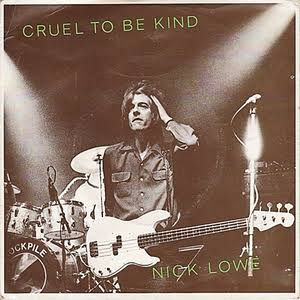
In the early days of MTV there was a song that played relentlessly (didn’t they all?). I didn’t much care for it, but it played so endlessly that I can still sing the chorus 47 years later: Nick Lowe’s “Cruel to Be Kind.”
The title always struck me as one of those clever little phrases that sounds better than it actually is. Cruel to be kind? Surely those are opposites. If I am being cruel to you, how can that possibly be an act of kindness?
Shakespeare had already wrestled with that question several centuries earlier. In Hamlet, after Hamlet has killed Polonius and before he confronts his mother, he tells Gertrude that he must be cruel in order to be kind. He is about to say things she does not want to hear. He knows the conversation will hurt. And yet, in his mind, avoiding the truth would be the greater cruelty.
That paradox has a place in leadership.
Sometimes the kindest thing we can do for someone is to tell them something they do not want to hear. Not cruelly or angrily or as punishment. But clearly.
Sometimes the kindest thing we can do for someone is to tell them something they do not want to hear.
This is particularly true when someone's behavior is creating a problem and we have the opportunity to address it early. The temptation is to soften the message, leave some ambiguity, or convince ourselves that perhaps the person will figure it out on their own. We tell ourselves that we are being compassionate. Usually, we are simply postponing the problem.
And it is especially true with new hires. This is the “grace period.” The “honeymoon.” Now is not the time to correct and improve, right? Wrong. It is precisely when clarity is most important. We can be firm without being a jerk. Do it now, while there is still time to adjust. Wait, and it may be too late.
If I tell you specifically what isn't working, what needs to change, and what I expect from you, you may not enjoy the conversation. You may even think I am being harsh. But at least you know the issue. You have an opportunity to adjust. How could you adjust if I was too worried about being kind to let you know?
If instead I allow you to wander around in ambiguity—wondering whether your performance is acceptable, whether your behavior is creating a problem, whether I really meant what I said—you are likely to discover the answer eventually. And by then it could be too late.
That is where “cruel to be kind” becomes more than a clever song title. The kindness is not in making the conversation comfortable. It is in making the future better. A difficult conversation early can prevent a devastating conversation later. A clear correction today can spare someone the humiliation of discovering six months from now that everyone else saw the problem except them.
Sometimes kindness sounds like criticism.
A leader who says, “I want to bring up a challenge I see,” may make someone uncomfortable. A leader who says nothing may ultimately do them far greater harm.
There is, of course, a critical distinction here: Cruelty is not kindness simply because we give it a noble name. Telling someone the truth does not give us license to be contemptuous, punitive, or self-righteous. “I’m just being honest” has excused plenty of bad behavior. (A terrible phrase, by the way—what does that say about the rest of your comments?) The test is what we are trying to accomplish. Are we trying to make the other person suffer, or are we willing to make them uncomfortable because we believe they are capable of doing better?
Those are very different things.
Sometimes kindness sounds like criticism. Sometimes kindness looks like a boundary. Sometimes kindness is a conversation neither person wants to have. And sometimes, if we really care about the person in front of us, we have to be willing to have it.
The kindness is not in making the conversation comfortable. It is in making the future better.
I could live without the silly song. But probably not without the principle it teaches.
What conversation are you avoiding?


Comments