
YES Is Cheap


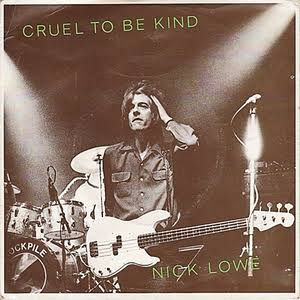
(Note: given that my last two posts featured 70’s album covers—an unintended coincidence— it was too tempting to do it again. You can let me know if I should have… Now back to our regularly scheduled programming.)
One of the easiest ways for a leader to get things done is to get everyone to say yes. Easiest and perhaps least reliable, because “Yes” can mean a lot of things. It can mean I agree with you. It can mean I understand. It can mean I don't care enough to argue. It can mean You're the boss. It can mean I don't think you'll listen anyway. Or maybe even I want this meeting to be over.
None of those necessarily produces commitment.
We tend to think of disagreement as an obstacle to buy-in. We present an idea, someone objects, and we feel the need to overcome the objection so we can get everyone aligned. The faster we get to agreement, the more successful the discussion.
Is that backwards?
If I want your genuine commitment to an idea, I may actually want you to disagree with me first—not performatively or personally, and definitely not as an exercise in proving that you're the smartest person in the room. But challenging the idea? Poking holes in it? Telling me what I'm missing? Wow. That conflict is doing useful work.
A strong team understands that we are not our ideas. My idea is something I have produced, not who I am. You can attack my idea without attacking me. In fact, if we are serious about finding the best answer, I should want you to attack it.
A strong team understands that we are not our ideas.
The standard is simple: we challenge ideas, not people. The best idea wins.
That changes the meaning of disagreement.
we challenge ideas, not people.
When disagreement is unsafe, people learn to say yes. They nod. They withhold the concern they have been thinking about. They wait until the meeting is over and then tell the person sitting next to them what they really think. The leader walks away believing there is alignment when there isn't.
That is not agreement--it's silence. And silence is not buy-in.
silence is not buy-in.
The irony is that disagreement helps create buy-in. When I have had the opportunity to challenge an idea, when someone has taken my objections seriously, when my questions have changed the proposal or at least been answered convincingly, I am much more likely to own the eventual decision. I may still disagree with the final answer, but I know I was part of the process that produced it. I don't have to buy into the decision because you convinced me. I buy into it because I was allowed to test it. And that is very different from being asked to endorse something after the decision has already been made.
We make this worse if we try too hard to eliminate conflict. If we teach that disagreement is evidence that the team is not aligned, they may just smooth it over. Then we get back to explaining and persuading.
But the absence of conflict may tell us nothing about alignment. It may simply tell us that people have learned that conflict isn't worth the cost. The leader's job, then, isn't to eliminate conflict; it is to create the conditions for it to be useful and safe.
That requires trust. It requires people who can separate themselves from their opinions. It requires a shared understanding that questioning an idea is not questioning the person who proposed it.
And it requires something else from the leader: a willingness to be changed.
You can't invite disagreement and then punish people for disagreeing with you. You can't ask people to poke holes in your idea and then spend the next twenty minutes explaining why every hole isn't really a hole. If the outcome is predetermined, don't call it debate—in fact, don’t even bring it up.
One of the most effective tacks a leader can take may be asking, “What are we missing?” and then shutting up long enough to hear the answer. Because the goal isn't acquiescence—it is arrival at the best idea. All of us are smarter than one of us.
Sometimes the best route to a meaningful yes is to give people a genuine opportunity to say no.
Are you allowing disagreement? Can you hear alternative views? What does your team think?

Comments